How to Read More Books Without Forcing Yourself
Why your books stay half-finished and how to fit reading back into an ordinary day: when to read, where to keep the book, what to pick, and when to quit.
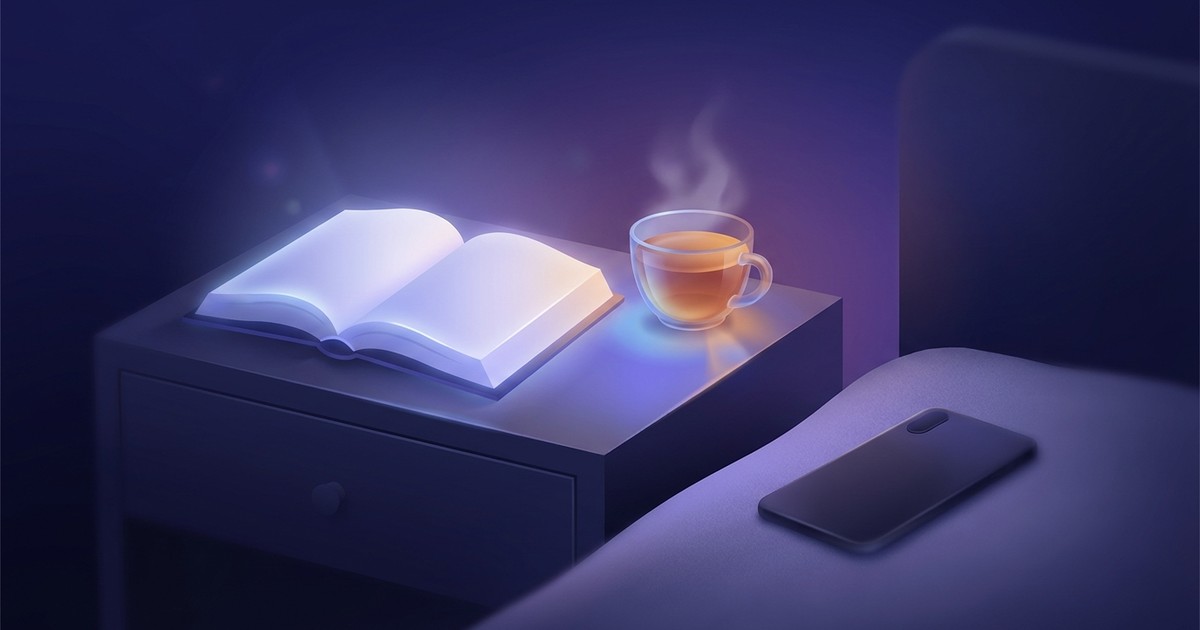
There's a book on your nightstand with a bookmark on page 42. It's been there since summer. Your Goodreads "want to read" shelf has 180 titles. Every evening you tell yourself you'll read a chapter, and every evening you end up scrolling until you're too tired to keep your eyes open.
Most people deal with this the same way. They set a big goal – 52 books this year, an hour every night – keep it up for a week, then quietly give up and feel bad about it.
The problem usually isn't discipline. Reading loses to your phone because nothing in your day was set up to let it win. This guide is about changing that setup, calmly, without reading challenges you'll abandon by February.
To read more books, make reading the easiest thing to do at a specific moment rather than relying on willpower. Attach it to something you already do daily (morning coffee, the commute, lunch, the hour before bed), start with 10 minutes or 10 pages, keep the book where your phone usually sits, and give yourself permission to quit books you don't enjoy. Alternate heavy reads with light ones and track the days you read instead of page counts. After a month, reading feels like part of your day, not another task on your list.
Why you read less than you want to
Before fixing anything, it helps to name what's actually in the way. For most people it comes down to three things, and laziness isn't one of them.
Reading has a high starting cost. You have to find the book, sit down, figure out where you left off, and spend the first few minutes getting back into it. Your phone takes one second and rewards you instantly. When you're tired, your brain picks the cheaper option. That's not a character flaw. It's just how energy works at 10 p.m.
There's no dedicated time. "I'll read when I have time" almost always means "I won't." Free time doesn't appear on its own. Whatever is closest fills it.
You're reading the wrong book. A huge share of abandoned reading comes from books you don't actually want to read. You bought them because they were on a "must-read" list, a coworker recommended them, or everyone on social media seemed to love them. A book you dread turns reading into homework, and soon you're avoiding all books, not just that one.
Once you see these three, the fix is clear: lower the starting cost, carve out a slot, and pick something you genuinely want to open.
Drop the hour-a-day goal
The classic mistake is starting big. An hour a night, a book a week, a hundred pages per sitting. It sounds motivating until your first busy day breaks it. Miss the goal twice and it's easy to decide you're "just not a reader."
Start so small it feels silly to skip: 10 minutes or 10 pages a day. That's one scene in a novel or one short chapter of nonfiction. Once you start, you'll usually keep going. But the bar stays low, so even on a terrible day you can clear it.
In the first month, consistency matters far more than volume. Someone reading 15 minutes every day will finish more books over a year than someone who reads for two hours on Sundays and skips the rest of the week. More importantly, they won't quit.
A typical novel runs about 300–350 pages. At 20 pages a day, you finish one roughly every two and a half weeks – around 20 books a year. No marathons, just a little every day.
Attach reading to something you already do
Instead of hunting for free time, hook reading onto a habit that already exists. The formula is simple: after I do X, I read. X happens every day anyway, so it pulls reading along with it.
Good anchors for reading:
- Morning coffee. Read while you drink it. Ten or fifteen minutes, phone in another room.
- Your commute. Train, bus, or ferry rides are ready-made reading blocks. If you drive, that's audiobook time.
- Lunch break. Half of it with a book instead of your feed.
- Before bed. The classic, with a catch: if you fall asleep on page two every night, this slot isn't working. Try reading earlier, sitting up on the couch.
- Waiting. The doctor's office, school pickup, the line at the coffee shop. Short bursts, but there are plenty of them.
Choose one anchor and stick with it for two or three weeks. Not five at once. When the first one feels automatic, add another.
Be specific. "I'll read in the morning" is vague. "When I sit down with my coffee, I open my book and read until the cup is empty" leaves no room to negotiate with yourself.
Remove the friction: book close, phone far
Quick test. Where's the book you're reading right now? Where's your phone? Odds are the phone is closer. That alone decides how most evenings go.
Make reading the closest option:
- Keep the book where you land during downtime. On your pillow, the coffee table, the kitchen counter. Not on a shelf or buried in a bag.
- Always carry something to read. A paperback, an e-reader, or at least a reading app open to the right page.
- Put the phone in another room while you read. Twenty minutes without notifications changes how well you read more than any trick.
- Keep a bookmark in place. Small thing, but searching for where you stopped is one more tiny reason to give up.
You read e-books on your phone, the same device that has your messages, email, and three social apps. Every few pages a notification pops up and a minute later you're replying to a group chat. If that's you, turn on Do Not Disturb while you read, or switch to paper or a dedicated e-reader that doesn't ping.
How to pick books you'll actually finish
Half the battle is the book itself. If you're bored, no anchor in the world will save you.
Start with what genuinely interests you, not what you feel you should have read by now. Thrillers, fantasy, a memoir by a musician you love, a book about woodworking – all of it counts. If you haven't read in a while, come back through something gripping. The classics will wait.
Read the first pages before you commit. Most stores, libraries, and e-book services let you sample the opening. If the first couple of pages don't pull you forward, page 100 probably won't either.
Keep a short "up next" list. Three to five books you're excited about. When you finish one, you don't spend a week deciding what's next. You just grab the top one.
Alternate heavy and light. After a dense nonfiction book, pick up a novel. After a long novel, read something short. That keeps fatigue from building up.
Two books at once is fine. One serious book for the morning, one easy read for the evening. That way you always have something that fits your mood.
Use your library. Library apps let you borrow e-books and audiobooks for free. When a book costs nothing, trying it and quitting it costs nothing too.
Give yourself permission to quit books
This might be the most useful advice here. The rule that you must finish everything you start kills more reading than lack of time ever does.
Here's how it plays out: a book isn't working, but you promised yourself you'd finish it. You don't want to open it, so you don't open anything. A week passes, then a month. One dull book has blocked all your reading.
The fix: if a book hasn't hooked you by page 50, close it with zero guilt. You can always come back later – sometimes a book just arrives at the wrong moment. But there's no reason to let it sit there like a cork in a bottle.
A softer option is skimming. A lot of business and self-help books state their main idea in the first few chapters and spend the rest on examples and repetition. Read the table of contents, pick the chapters you need, skip the rest. That's a perfectly legitimate way to read nonfiction.
Once quitting is allowed, starting stops feeling risky. You sample more books, find more that fit, and end up finishing more. Your "did not finish" pile grows, and so does your "read" pile.
Track days, not pages
Seeing a habit helps it stick. But it matters what you count.
If your goal is a book a week and you track pages, every long or difficult book becomes a failure. You fall behind schedule, start skimming things you'd rather savor, or only pick short books to keep your numbers up.
Track days you read. A day counts the same whether it was five pages or fifty. A streak of those days is great motivation because you don't want to break it.
Missed a day? That's fine. "Never miss twice" works better than chasing a perfect streak. One miss is an accident. Two in a row is the start of sliding back.
It's still worth keeping a list of books you've finished, though not for the number. It helps you remember what you read, and after a year it shows you which kinds of books you actually enjoy.
Audiobooks and e-books count
"Do audiobooks count as reading?" If your goal is to take in the story or the ideas, yes. For many people with packed schedules, listening is the only realistic way to get through books: while driving, running, folding laundry, or cooking dinner.
Each format has its place:
| Format | Best for | Keep in mind |
|---|---|---|
| Paper book | Home, cafés, vacation | Heavier to carry, but nothing interrupts you |
| E-reader | Commutes, bed, travel | Hundreds of books in one device, no notifications |
| Reading app on phone | Lines, short gaps | Messages and apps right next to it |
| Audiobook | Driving, workouts, chores | Dense material is harder to retain by ear |
Books full of technical terms, diagrams, or ideas you'll want to reread are usually better on the page. Story-driven fiction and memoirs work well as audio.
You can mix formats, too. Listen during the drive, then pick up where you left off on paper at home. Some services sync your position between the e-book and the audiobook.
Reading as a student, a parent, or someone buried in messages
General advice needs adjusting to real life. Here's what reading looks like in a few common situations.
If you're a student
You already read a lot for class, and by evening there's nothing left for reading for fun. Separate the two. Course reading happens at a desk with notes. Fun reading happens somewhere else in a different format – an audiobook on the walk to campus, a novel in bed. That way your brain doesn't confuse rest with studying.
Short books help during exam season. Novellas and short story collections fit a chaotic schedule much better than 600-page epics.
If you're a parent of young kids
Long quiet stretches basically don't exist. Your reading lives in 5- to 10-minute pockets: while the baby falls asleep, waiting at soccer practice, during a feeding. An e-reader you can hold with one hand is a lifesaver here, and audiobooks fit stroller walks perfectly.
Don't set a book-count goal. Set "I read a little every day." In this season of life, that's a lot.
If you work remotely or live in your inbox
Your problem isn't time, it's attention. After a day of Slack threads and video calls, it's hard to stay on one page. A transition ritual helps: close the laptop, put the phone away, read for 20 minutes, then start your evening. Reading becomes the line between work and rest.
Morning reading before you open work messages also fits remote schedules well. You don't commute, but you still have the half hour you used to spend on it.
If you struggle to focus on the page
Sometimes you sit down to read and realize a page later you have no idea what you just read. Your eyes moved, your mind didn't. This is especially common for people with ADHD and for anyone used to short-form video.
What helps:
- Short timed sessions. Read for 10–15 minutes, then take a break. Knowing a break is coming makes it easier to stay put.
- Read with a pencil. Underline, scribble in the margins. Busy hands keep your attention on the text.
- Audio plus text together. Listening while following along on the page uses two channels and holds focus better than one.
- Books with short chapters. Each chapter is a small win, and "just one more" is easier.
- Move. Some people focus better listening to an audiobook on a walk than sitting still with a book.
Don't expect to jump straight back to two-hour sessions. Attention comes back gradually, like fitness.
After a chapter, close the book and try to sum it up in two sentences. If you can't, you were reading on autopilot. Shorten your sessions and clear away distractions.
How to remember what you read
Reading more is only worth it if something sticks. Fiction mostly takes care of itself because stories are memorable. Nonfiction needs a little extra effort.
Simple ways to keep more:
- Three takeaways per chapter. Jot down the three main ideas in your own words. Two minutes, much better recall.
- One idea, one action. If the book is about work or habits, pick one thing to try this week. A book you've applied, even once, stays with you.
- Tell someone about it. Explaining a book to a friend over dinner locks it in. You might also find someone to swap books with.
- A short note when you finish. A couple of paragraphs: what it was about, what you liked, what to remember. A year later, these notes are the fastest way back into a book.
Don't take detailed notes on everything. Heavy note-taking turns reading into studying, and the fun drains out. A few lines is enough.
Common mistakes and why they happen
Reading from someone else's list. "100 books everyone should read" is a fine source of ideas and a poor plan. When the list isn't yours, the motivation isn't either, and it runs out around book three.
Starting a challenge with a huge number. A goal of 50 books a year turns into being behind by March, and being behind turns into giving up. Better to set a modest goal and beat it than to miss a big one.
Waiting until you're in the mood. The mood usually shows up while you're reading, not before. The first five minutes can feel flat. That's normal.
Only reading in bed. When you're tired, sleep wins within a couple of pages. You end up with 30 pages a week and the feeling that reading "isn't working." Move at least some of your reading to another time.
Comparing yourself to others. Some people finish a book a day, others one a month. Different lives, different speeds, different books. The only useful comparison is you versus you three months ago.
Trying to read faster. Speed-reading courses promise a lot, but comprehension of complex text drops when you push the pace hard. More books come from reading more often, not from reading faster.
When "read more" is the wrong goal
To be honest about the limits: in some situations, pushing yourself to read more won't help and might make things worse.
When you're burned out. If you can barely handle your usual responsibilities, reading becomes one more obligation. Rest and sleep come first. Keep only light reading for pleasure, or take a break entirely.
When reading has become procrastination. Reading about productivity instead of doing the task is a familiar trap. Five books on how to start running don't replace one run. If you notice you're reading about something instead of doing it, put the book down.
When the goal is quantity for its own sake. Sixty books in a year that you don't remember and didn't enjoy is a questionable achievement. Fifteen books that stuck with you and changed something are worth more.
When you genuinely don't like reading. That happens too. Try audiobooks, podcasts, documentaries – stories and ideas reach you through many channels. You don't have to force yourself to love the printed page.
Frequently asked questions
How many books a year is a good number?
There isn't one. Some people happily read 10 books a year, others read 80. Focus on how it feels: if you want to read more than you currently do, work on the habit. If you're satisfied with how much you read, you're fine.
Do audiobooks really count as reading?
For enjoyment and getting the ideas, yes. You get the same story and the same thinking. For dense books where you want to reread and mark passages, reading with your eyes is usually better. Plenty of people use both.
Why do I fall asleep every time I open a book?
Most likely you only read in bed when you're already exhausted. Move reading to an earlier time and a different spot – the couch, the kitchen table, the train. If you do read before sleep, choose lighter books and read sitting up.
Is speed reading worth learning?
If the goal is to finish more books, it doesn't help much. Light text goes faster, but with harder material you risk not understanding it. Regular reading does far more: 20 minutes a day usually beats a "fast" technique you use once a week.
Is it okay to read several books at once?
Yes, as long as they're different – nonfiction in the morning and a novel at night, for example. That way something always matches your mood. Five at a time is usually too many: you lose the threads and finish none of them.
How do I get back into reading after years away?
Start with a short, gripping book you're sure you'll enjoy – a thriller, an adventure story, an easy memoir. Set a 10-minute daily bar and attach it to something you do every day. Save the challenging and "useful" books for month two or three, once the habit holds.
How do I get my kid or teenager to read more?
Example works best: kids read more when they see their parents reading. Let them choose their own books, even if that means comics or fantasy, and never use reading as a punishment or a chore. Reading aloud together helps too, even with older kids.
What to do today
You don't need a yearly plan. Do three things right now:
- Pick one book you actually want to read. Not "should," but "want." If nothing's at hand, download free samples of a couple of options and go with whichever pulls you in.
- Pick your anchor. Morning coffee, the commute, lunch, or the couch after dinner. Finish this sentence: "When I ___, I read for 10 minutes."
- Put the book where you'll see it first, and the phone somewhere else for those minutes.
Then read your first 10 pages today. That's enough to start.
If you want to see the habit build, Do It Today makes it easy to track: add "Reading" as a habit and check it off each day you open a book, or set a repeating task like "10 pages." The focus timer works well for short phone-free reading sessions and counts how many you complete each day and week, while your history of past days shows how often you're really reading. It's free, installs like an app on your phone, and syncs across your devices.
Try it right now
Tasks, a focus timer and habits on one screen. Open it and you instantly see what to work on.
Start for free
Marketer and online school founder. Runs his own day in this tracker – which is where the three-state tasks, the focus timer and the day history came from.